



























Be the first to comment
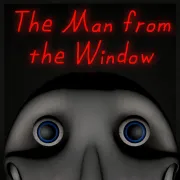
The Man From The Window delivers psychological horror through atmosphere, pressure, and quiet dread rather than action or combat. The game places players inside a familiar home setting and slowly transforms it into a space filled with uncertainty.
Gameplay in The Man From The Window revolves around preparation. Players are given a short window of time to organize the house before the threat becomes active. During this phase, every action matters. Moving between rooms, interacting with objects, or repositioning furniture all consume precious seconds.
Once preparations are complete, outcomes are locked in, and the game shifts from action to observation. The inability to undo decisions adds weight to every interaction, reinforcing the game’s tense atmosphere.
Information in The Man From The Window is never presented directly. Instead, players must interpret cryptic hints scattered throughout the environment. These clues subtly suggest how the intruder may behave, which areas are at risk, and how much time each action might buy.
Defense in The Man From The Window is about control, not confrontation. Furniture can be used to influence movement paths rather than completely block access. Redirecting routes often proves more effective than creating rigid barriers, as it forces delays instead of confrontation.
Choosing hiding locations is equally strategic. Spreading characters across separate areas reduces the risk of total failure from a single mistake. Rooms with longer access routes or multiple obstacles provide additional safety, buying valuable time during the final phase.
Snake Game has a new look. Do you like it?